

In a world where the only thing growing faster than the grass is the list of environmental issues, nature conservation events are stepping up to the plate. These gatherings are more than just a chance to don some eco-friendly attire and sip organic smoothies; they’re a rallying cry for anyone who’s ever thought, “Hey, let’s save the planet!”
Overview of Nature Conservation Events
Nature conservation events play a vital role in promoting environmental awareness. These gatherings unite passionate individuals who strive to make a difference. Various organizations host such events annually, providing platforms for education, collaboration, and action. Workshops and seminars often feature expert speakers, offering valuable insights into conservation strategies.
Fundraising activities accompany many events, supporting wildlife reserves and local conservation projects. Participants often engage in hands-on activities such as tree planting or habitat restoration. Conferences also allow for networking among professionals, volunteers, and advocates. They exchange ideas and share successful conservation practices.
Additionally, events raise awareness about pressing environmental issues, such as climate change and biodiversity loss. Social media campaigns frequently amplify the reach of these gatherings, encouraging wider participation. The community aspect enhances engagement, making conservation feel accessible to all.
Local initiatives often align with larger global movements, fostering a sense of unity among diverse groups. Volunteers who contribute to these events often experience personal fulfillment and growth. Environmental literacy increases through shared experiences and knowledge dissemination.
Nature conservation events serve not only as educational hubs but also as catalysts for community building and action. They provide individuals with the opportunity to contribute actively to the protection of the planet. These events create a lasting impact on participants and the environment alike.
Importance of Nature Conservation Events
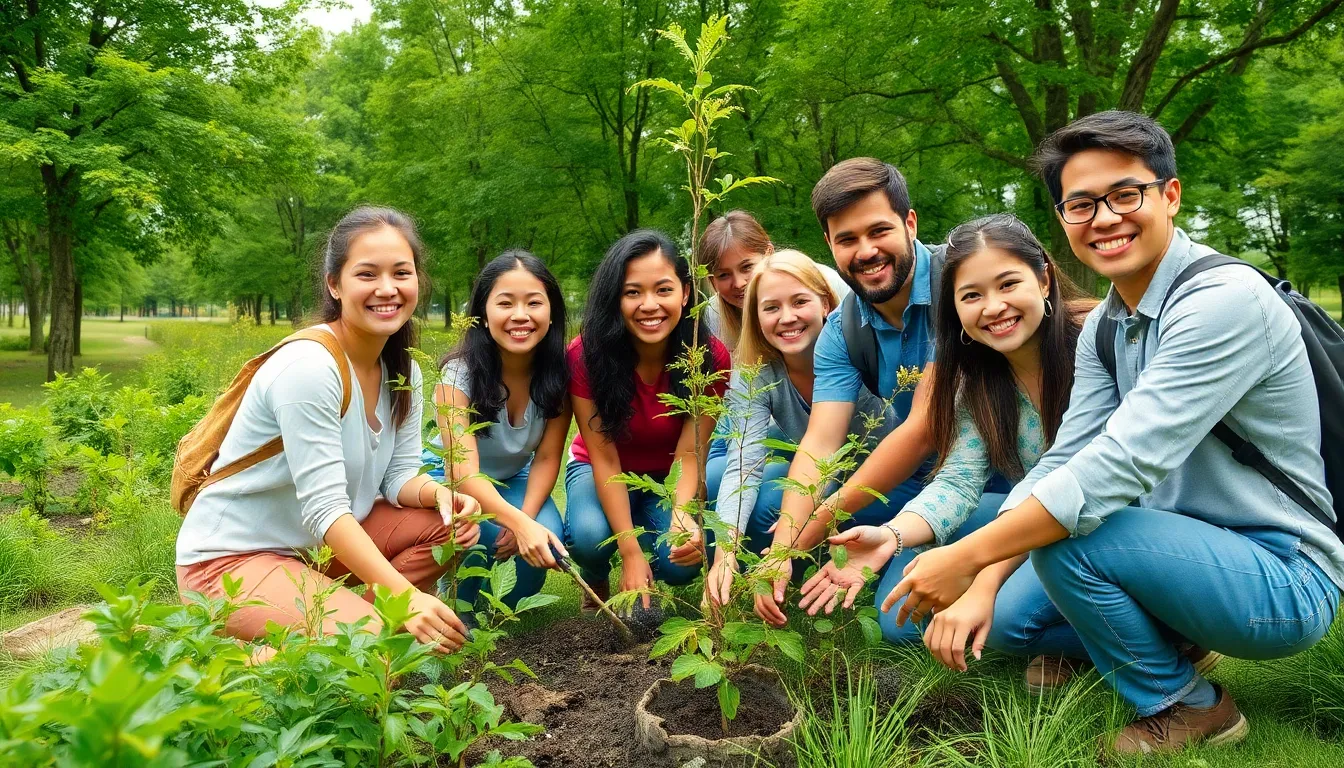
Nature conservation events play a crucial role in addressing environmental challenges. These gatherings create opportunities for education, collaboration, and action among individuals passionate about environmental protection.
Environmental Awareness
Events heighten environmental awareness significantly. Educational workshops and seminars feature experts who share insights on pressing topics like climate change and biodiversity loss. Participants often leave with a better understanding of conservation strategies. Many organizations use these events to spread critical messages through social media campaigns, increasing outreach and participation. Efforts include disseminating information about local habitats and endangered species, contributing to a collective knowledge base that fosters informed action.
Community Engagement
Community engagement thrives at nature conservation events. Individuals come together to share experiences and passion for the environment, creating a sense of belonging. Activities like tree planting and habitat restoration promote teamwork, reinforcing the importance of collective efforts. Local initiatives often align with global movements, enabling participants to connect local actions with broader environmental goals. Networking facilitates relationships among professionals, volunteers, and advocates, encouraging the exchange of ideas and best practices. Through shared activities, individuals gain personal fulfillment while helping to cultivate a commitment to sustainable practices.
Types of Nature Conservation Events
Nature conservation events encompass various activities aimed at protecting the environment. Each type presents unique opportunities for involvement and impact.
Clean-Up Initiatives
Clean-up initiatives engage communities in removing litter from parks, beaches, and urban areas. Participants gather to pick up trash, contributing to cleaner ecosystems. These events often incorporate informative sessions about waste management and recycling, enhancing awareness of pollution. Many initiatives collaborate with local governments and organizations to coordinate efforts. Volunteers develop a sense of accomplishment while witnessing immediate environmental improvements. Organized clean-ups also foster friendships, reinforcing the community’s commitment to preserving nature.
Educational Workshops
Educational workshops focus on environmental awareness and conservation techniques. Expert speakers cover topics such as sustainable practices, wildlife conservation, and climate change solutions. Participants gain knowledge through interactive discussions and hands-on activities. Many workshops encourage exploration of local habitats, promoting direct engagement with nature. Networking opportunities arise among attendees, fostering connections for future collaboration. These events empower individuals to advocate for environmental protection in their communities back home.
Fundraising Events
Fundraising events support crucial wildlife reserves and local conservation projects. They often feature activities like charity runs, auctions, and galas to encourage participation. Donations collected contribute directly to projects focused on habitat restoration and species protection. Many organizations promote these events through social media to increase reach and participation. Attendees enjoy an entertaining atmosphere while supporting meaningful causes. The financial impact of these events enhances the ability to execute conservation initiatives effectively.
Notable Examples of Nature Conservation Events
Nature conservation events occur at various scales, providing platforms for action and education. These gatherings foster community engagement, helping individuals connect through shared goals.
Local Initiatives
Local initiatives often mobilize community members to participate in hands-on activities. Clean-up events gather volunteers in parks and coastal areas, promoting awareness about litter and its environmental effects. Educational workshops accompany many clean-up projects, offering insights on recycling and sustainable practices. Schools and neighborhood associations frequently organize these initiatives, engaging residents of all ages in preserving local ecosystems. Success in these efforts leads to improved community pride and heightened environmental consciousness.
Global Movements
Global movements unite diverse individuals and organizations from around the world. Events like Earth Day attract millions, inspiring collective action toward environmental sustainability. These movements utilize social media campaigns for outreach, amplifying the message to global audiences. Conferences focusing on climate change and biodiversity connect experts, activists, and policymakers, enabling discussions that shape international conservation strategies. Participation in these global events fosters a sense of solidarity, encouraging shared commitment to preserving the planet for future generations.
Challenges Facing Nature Conservation Events
Nature conservation events encounter significant challenges that can hinder their effectiveness and reach. Addressing these obstacles is crucial to maximizing their impact.
Funding and Resources
Limited funding remains a primary challenge for many nature conservation events. Organizations often rely on donations and sponsorships to cover costs; without sufficient financial support, events may be downsized or canceled. Grant applications can be competitive, which complicates acquiring necessary funds. Additionally, resources such as equipment, transportation, and promotional materials may be restricted, affecting event quality. Establishing partnerships with local businesses or government bodies can enhance funding opportunities. Exploring diverse fundraising strategies can also improve resource availability and sustain event initiatives.
Volunteer Participation
Recruiting and retaining volunteers can prove challenging for nature conservation events. Many organizations struggle to find individuals willing to commit time and effort, often due to competing priorities such as work or family obligations. Effective outreach through social media and local community boards can increase awareness and engagement. Providing clear incentives, such as training, networking opportunities, or even volunteer recognition programs, can enhance motivation. Additionally, creating a welcoming and inclusive atmosphere fosters a sense of belonging, encouraging ongoing participation in future events.
Nature conservation events play a pivotal role in fostering community engagement and environmental awareness. They not only provide education and hands-on experience but also inspire collective action toward sustainability. By participating in these events individuals contribute to a greater cause while enhancing their understanding of crucial conservation issues.
As these gatherings continue to evolve they face challenges that require innovative solutions and dedicated support. Overcoming obstacles like funding and volunteer retention is essential for maximizing their impact. Ultimately the commitment shown at these events lays the groundwork for a more sustainable future, encouraging ongoing participation and advocacy in the fight for environmental protection.