

Home composting isn’t just for eco-warriors in tie-dye shirts anymore. It’s a simple and effective way to turn kitchen scraps into black gold for your garden. Imagine transforming those banana peels and coffee grounds into nutrient-rich compost while saving the planet—one worm at a time. Who knew that being green could be this much fun?
With a sprinkle of creativity and a dash of patience, anyone can master the art of composting. Whether you’re a seasoned gardener or just someone looking to reduce waste, there’s a method that fits your lifestyle. From traditional piles to sleek indoor systems, composting offers a chance to get your hands dirty while reaping the rewards. Let’s dive into the world of home composting methods and discover how easy it is to give Mother Earth a helping hand.
Overview of Home Composting Methods
Home composting encompasses several methods that cater to different preferences and spaces. Traditional composting typically involves outdoor piles or bins. This method allows for a natural decomposition process, using layers of kitchen scraps, yard waste, and other organic materials.
Tumbler composters provide an efficient alternative for those seeking ease of use. Users can quickly mix and aerate the compost by turning the tumbler, expediting the composting process. Smaller spaces benefit from worm composting, also known as vermicomposting. This method utilizes red wiggler worms to break down food scraps into nutrient-rich castings.
Bokashi composting presents another innovative option. This method involves fermenting kitchen waste in a sealed bucket using Bokashi bran. The fermentation process accelerates decomposition and minimizes odors, making it suitable for indoor use. Additionally, anaerobic composting focuses on creating a low-oxygen environment, allowing the compost to break down gradually.
Composting kits offer convenience for beginners or those who prefer structured approaches. These kits often include materials, bins, and guidelines to simplify the process. Each method caters to a specific lifestyle, ensuring every individual can participate in composting, regardless of expertise or space limitations.
Understanding the various methods enhances the overall composting experience. Experimenting with different techniques reveals which approach best suits one’s needs. Whether opting for a bin in the backyard or a small indoor system, home composting provides an accessible way to contribute positively to the environment.
Benefits of Home Composting
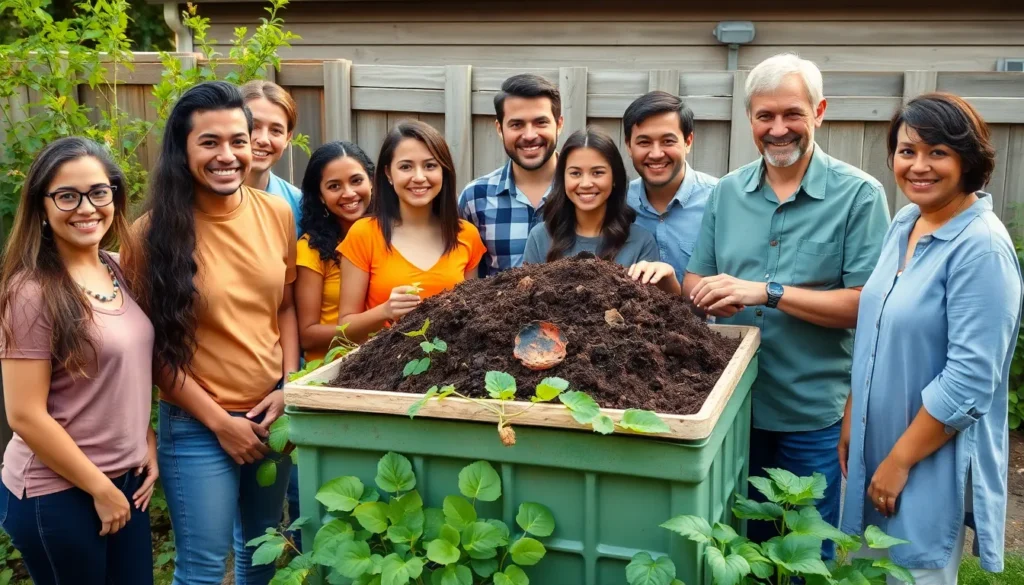
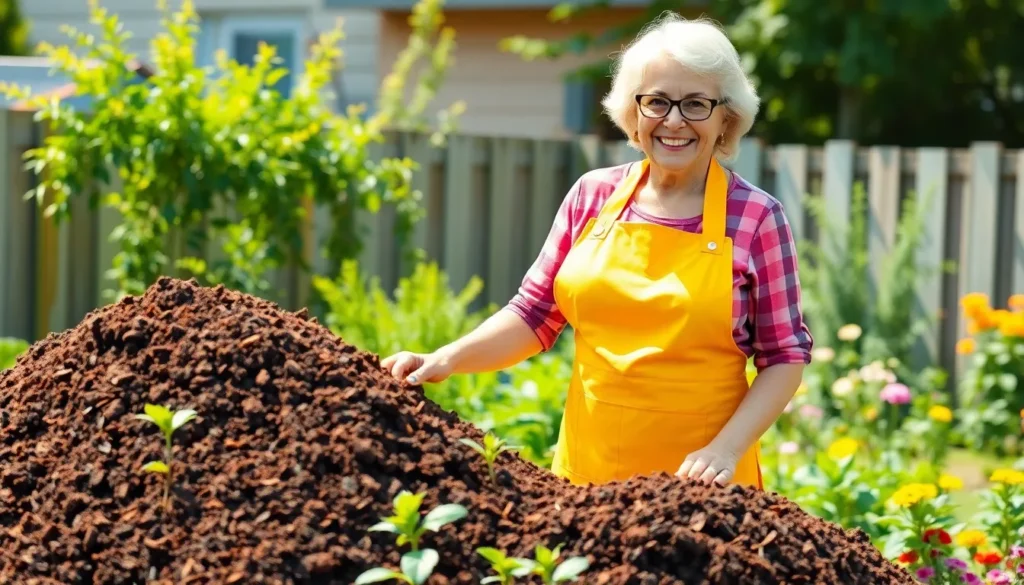
Home composting offers numerous advantages for both individuals and the environment. Engaging in this practice not only enriches gardens but also supports sustainable living.
Environmental Impact
Composting significantly reduces landfill waste. Studies show that organic materials make up about 30% of municipal solid waste, contributing to greenhouse gas emissions. By composting, individuals can divert these materials into nutrient-rich compost, minimizing pollution. Soil health benefits from compost, as it enhances its structure and moisture retention. Furthermore, composting fosters biodiversity by providing habitat for beneficial microorganisms and earthworms. Engaging in composting practices mitigates the need for chemical fertilizers, reducing environmental toxins.
Economic Savings
Home composting can lead to substantial savings. Individuals may save around $200 annually by reducing waste disposal costs. Composting also diminishes the need for store-bought fertilizers, which can be expensive. Mulching with compost protects garden plants, reducing water consumption and subsequent irrigation costs. Over time, gardeners notice a decrease in the purchase of soil amendments, benefiting their wallets. Each batch of compost created at home eliminates the need for additional supplies and improves garden yields, resulting in cost-effective gardening.
Types of Home Composting Methods
Home composting methods cater to various lifestyles and space constraints. Understanding these options aids in choosing what fits best.
Traditional Composting
Traditional composting uses outdoor piles or bins for natural decomposition. Organic materials, such as kitchen scraps and yard waste, are layered to create a balanced mix. Aeration, achieved through turning the pile, promotes decomposition. The process usually takes several months, depending on factors like temperature and moisture. This method allows for large quantities, making it ideal for families or gardening enthusiasts. Regular monitoring of moisture and temperature speeds up the composting process. Finished compost enriches soil and improves plant health, providing a sustainable cycle for home gardeners.
Bokashi Composting
Bokashi composting involves fermenting kitchen waste in a sealed container. Specialized inoculated bran is layered with waste to initiate fermentation, which minimizes odors. Kitchen scraps, including meat and dairy, break down effectively using this method. In about two weeks, the process creates a pre-compost that requires burying or adding to traditional compost systems to complete decomposition. This method suits indoor enthusiasts with limited outdoor space. It retains nutrients, making the final product rich in beneficial compounds for gardens. Overall, Bokashi composting offers an efficient, odor-free alternative for urban composters.
Vermicomposting
Vermicomposting utilizes red wiggler worms to break down organic waste. A worm bin, consisting of shredded paper or coconut coir, offers an ideal environment. These worms consume kitchen scraps and produce nutrient-rich castings as waste. Minimal space requirements make this method perfect for apartments or smaller homes. Regular feeding and moisture management ensure worm health and efficient composting. The finished product can be used directly in garden beds or potted plants, enhancing soil vitality. This approach not only transforms waste but also introduces beneficial organisms into the garden ecosystem.
Best Practices for Successful Composting
Successful composting relies on understanding materials and maintenance. Following best practices enhances compost quality and effectiveness.
Choosing the Right Materials
Select a mix of green and brown materials for optimal compost. Green materials include kitchen scraps like fruit peels and vegetable trimmings, while brown materials consist of dried leaves and cardboard. Ensure a ratio of about 2:1, with more brown materials for balance. Avoid adding meat, dairy, and oily foods, as these items attract pests and create odors. Including crushed eggshells adds calcium, benefiting plant health. Regularly monitoring the variety and composition of materials fosters a healthy compost environment.
Maintaining Your Compost
Rotate and aerate the compost regularly to enhance breakdown. Turning the pile every few weeks promotes oxygen circulation and prevents anaerobic conditions. Monitor moisture levels; dark, rich compost should feel like a damp sponge. If it becomes too dry, add water gradually, but if it’s too wet, increase brown materials to soak excess moisture. Checking the temperature helps gauge the activity level; a warm pile indicates good microbial activity. By ensuring consistent maintenance, compost quality improves significantly over time.
Common Challenges and Solutions
Managing a home composting system can present various challenges. One significant issue is odors, which often arise from an excess of kitchen scraps without adequate browns. Balancing green materials with brown elements, such as leaves or cardboard, minimizes unpleasant smells and enhances the decomposition process.
Another common problem involves pests, which may be attracted to compost bins. Maintaining a properly sealed compost bin can deter unwanted visitors while ensuring a well-aerated environment helps to keep decomposition on track. Properly covering food scraps with brown materials acts as a barrier against pests.
Moisture levels also play a crucial role in the composting process. Too much moisture can lead to a soggy mix that hampers aeration, while too little can slow decomposition. Monitoring moisture and adding dry materials when necessary keeps compost in the optimal range for effective breakdown.
Composting during colder months poses another challenge. Lower temperatures can slow microbial activity significantly. Utilizing insulating techniques, like covering piles with straw or using a heated compost bin, can maintain warmth and encourage decomposition year-round.
Limited space is a secondary concern for many urban gardeners. Worm composting offers an efficient solution, allowing composting in compact spaces. Additionally, Bokashi composting works well in small environments, providing easy access to nutrient-rich compost without requiring extensive outdoor space.
By recognizing these challenges and implementing effective solutions, home composting becomes simpler and more rewarding. Addressing these potential issues ensures that everyone can participate in this eco-friendly practice, contributing to both sustainable living and healthier gardens.