
When it comes to desserts, Germany and Austria know how to layer it on thick—literally! These countries boast a treasure trove of layered sweets that’ll make any sweet tooth swoon. From rich chocolate ganaches to delicate fruit creams, these confections are not just treats; they’re edible masterpieces that deserve a spot on your dessert plate.
Overview of Layered Sweets
Layered sweets in Germany and Austria showcase a blend of flavors and aesthetics. Many popular variations include ingredients like chocolate, fruit, and custard, which come together to create striking desserts. Some renowned examples feature rich chocolate cake layers interspersed with fruity compotes or creamy fillings.
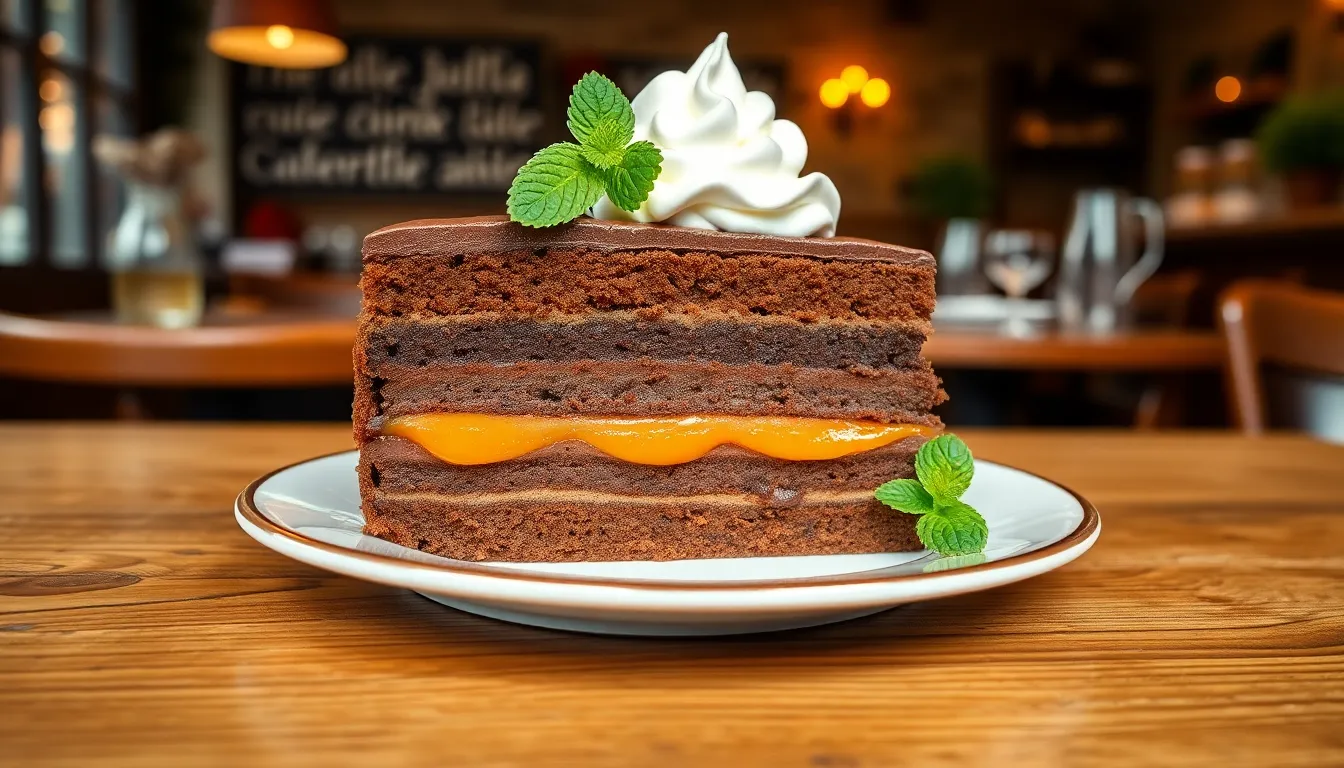
Various regional specialties highlight local ingredients, adding unique character to each sweet. For instance, the famous Sachertorte pairs dense chocolate layers with apricot jam and a glossy chocolate glaze. Another beloved treat, the Linzer Torte, comprises almond and hazelnut layers topped with raspberry jam.
Aesthetic appeal remains essential in these desserts. Chefs often employ techniques to create visually stunning presentations. Furthermore, impressive layers demonstrate the skill involved in making these confections, attracting dessert enthusiasts.
Different textures play a vital role in layered sweets. Layering light, airy mousses with rich ganaches creates delightful contrasts, enhancing the tasting experience. In some cases, bakers achieve balance by incorporating crunchy elements, such as nuts or biscuit layers, into the softer fillings.
Celebrations frequently feature these confections. Birthdays, weddings, and holidays highlight the importance of layered sweets across cultures in Germany and Austria. Guests often look forward to indulging in visually and flavorfully appealing desserts, which leave lasting impressions.
Regional variations offer a glimpse into local culinary traditions. Each area contributes its own twist to layered desserts, reflecting local tastes and available ingredients. Exploring these sweets invites taste seekers to appreciate the deep-rooted heritage and the artistry behind every creation.
Popular Layered Sweets in Germany
Layered sweets in Germany are both flavorful and visually enchanting. These desserts often serve as centerpieces for celebrations.
Black Forest Cake
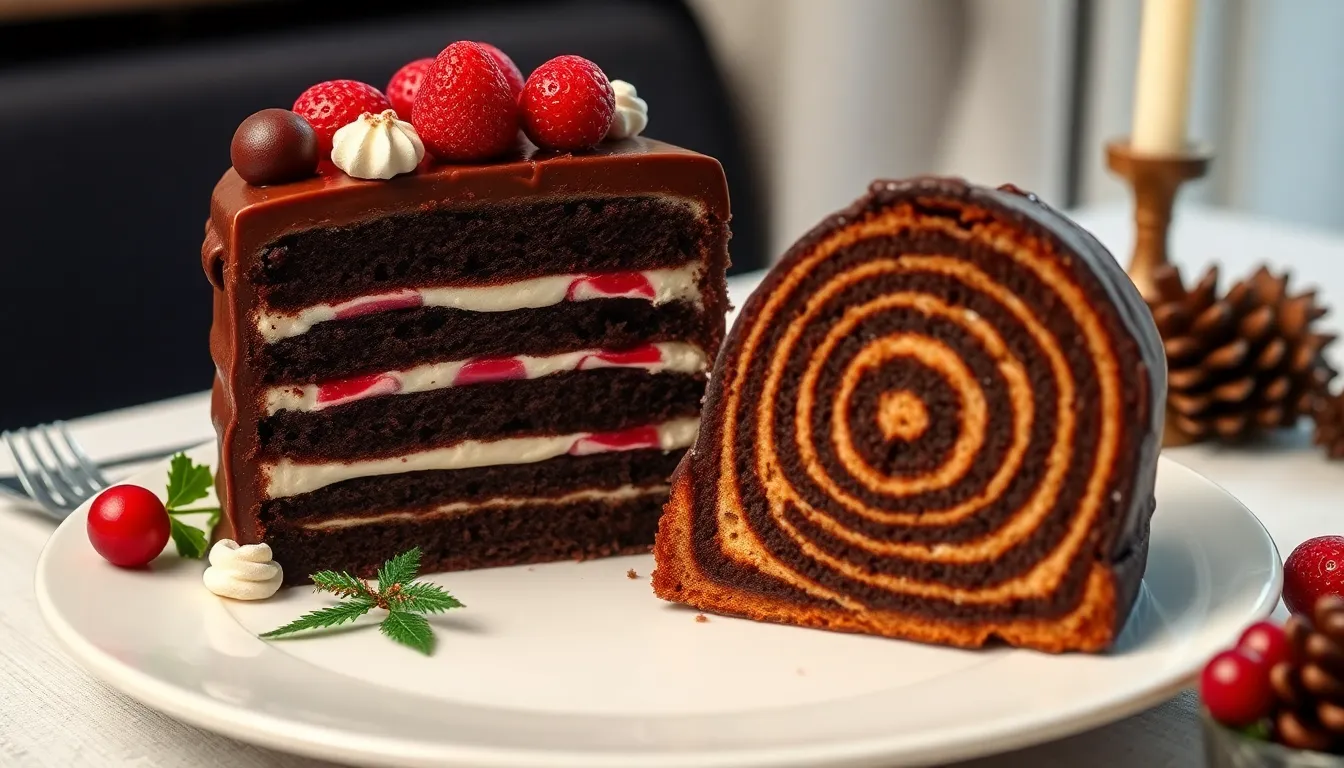
Black Forest Cake, known as Schwarzwälder Kirschtorte, features multiple rich chocolate layers. Chefs often fill these layers with whipped cream and cherries. Dark chocolate adds depth, while the cherries introduce a tart contrast. Traditionally, Kirschwasser gives it a distinct flavor, enhancing its authenticity. This cake’s striking appearance, with its glossy chocolate shavings and cherries on top, draws attention at any gathering. Enjoyment comes not only from taste but also from the presentation of this iconic dessert.
Baumkuchen
Baumkuchen, or tree cake, presents a unique layered structure that resembles tree rings. It’s renowned for its meticulous baking technique, as batter layers are grilled to achieve distinct rings. Each ring adds to both flavor and texture, creating a delightful combination. Often, chefs coat the cake in rich chocolate or glaze to enhance its appeal. This dessert frequently finds a place at festive events and special occasions, showcasing its importance in German pastry tradition. Serving Baumkuchen delivers a taste of history and artisan craftsmanship.
Popular Layered Sweets in Austria
Austria boasts a selection of layered sweets that reflect its rich culinary heritage. These confections often delight not only the palate but also the eyes.
Sachertorte
Sachertorte stands out as one of Austria’s most famous desserts. This indulgent chocolate cake features dense layers separated by a layer of apricot jam, giving a perfect balance of sweetness and richness. Traditionally, a smooth chocolate glaze envelops the cake, enhancing its visual appeal. Served alongside whipped cream, this treat becomes even more delightful. Originating from Vienna, Sachertorte symbolizes Austrian pastry excellence and is often enjoyed during special occasions.
Linzer Torte
Linzer Torte holds a special place in Austrian baking traditions. Made with layers of almond and hazelnut dough, this tart showcases a rich filling of raspberry jam. The top layer typically features a lattice design, allowing the vibrant jam to peek through. Each bite delivers a satisfying crunch that contrasts with the sweet filling. Historically, Linzer Torte dates back to the 17th century, making it one of the oldest known tarts in the world. Its connection to Austrian culture continues to endear it to dessert lovers everywhere.
Key Ingredients in Layered Sweets
Layered sweets in Germany and Austria feature a variety of key ingredients that contribute to their unique flavors and textures. Chocolate plays a critical role, providing richness and depth in desserts like Sachertorte and Black Forest Cake. This ingredient often appears as dense ganache or smooth glaze.
Fruit components frequently enhance the flavor profiles of layered desserts. Apricot jam in Sachertorte and raspberry jam in Linzer Torte add a refreshing contrast to the sweetness of the baked layers. Cherries also feature prominently, especially in Black Forest Cake, delivering a tart sweetness that balances the rich chocolate.
Cream often appears as another essential ingredient. Whipped cream elevates the indulgence of desserts, especially in the Black Forest Cake, where it complements the chocolate and cherry layers. Custards also add a silky texture to confections, making bites velvety and satisfying.
In addition, nuts frequently contribute both flavor and texture to layered sweets. Almonds and hazelnuts are common in Linzer Torte, providing a crunchy element that contrasts beautifully with softer layers. Layers of biscuit or sponge cake also offer varying textures, enhancing the overall experience with each bite.
Sugar serves as a fundamental ingredient, sweetening each layer, while flour creates structure in the cakes and bases. These staples work together, showcasing the artistry of bakers in achieving the perfect balance.
Spices such as cinnamon and vanilla add depth to layered sweets as well. These flavors often create a warm familiarity, enhancing the overall tasting experience. By understanding these key ingredients, dessert enthusiasts can appreciate the craftsmanship and tradition behind each beautiful confection.
Cultural Significance of Layered Sweets
Layered sweets hold a prominent place in German and Austrian cultures, celebrating culinary artistry and tradition. These desserts are often central to festive occasions like birthdays, weddings, and holidays, making their presence memorable. Their intricate designs reflect regional craftsmanship, as skilled bakers utilize various techniques to showcase flavor combinations and visual appeal.
Layered desserts also symbolize hospitality and generosity. Serving a beautifully crafted dessert often expresses care and affection toward guests. In addition, the variety of flavors highlights local ingredients, fostering a connection to each region’s agricultural resources and culinary history.
Historic recipes, such as the Linzer Torte, showcase the importance of tradition in these layered confections. Generations of families have passed down these desserts, ensuring their preservation and continued evolution. Each bite not only delights the palate but also evokes cherished memories tied to cultural heritage.
Popular layered sweets in Austria, including Sachertorte, represent pride in local cuisine. This dessert’s rich chocolate flavor and smooth texture celebrate the nation’s commitment to quality ingredients. Similarly, the Black Forest Cake embodies the German terrain, incorporating local cherries and chocolate, and showcasing regional identity.
Layered sweets also appear during significant cultural festivities, reinforcing their role in social gatherings. Families often bond over the art of baking, sharing recipes and techniques that honor their heritage. Each layered dessert brings people together, creating connections that go beyond flavor.
Understanding the cultural significance of these confections deepens appreciation for their craftsmanship. Knowledge of their historical backgrounds enhances the enjoyment of these treats. In every slice and layer, these desserts tell a story of tradition, creativity, and cultural pride that enriches both German and Austrian culinary landscapes.
Layered sweets from Germany and Austria embody a delightful fusion of flavor and artistry. Each dessert not only tantalizes the taste buds but also tells a story steeped in tradition and cultural significance. From the rich chocolate of Sachertorte to the nutty crunch of Linzer Torte, these confections reflect the skill and creativity of their makers.
As beloved staples at celebrations and gatherings, layered desserts symbolize hospitality and the joy of sharing. Their intricate presentations and diverse textures invite dessert lovers to explore a world of culinary excellence. With every bite, one can appreciate the heritage and craftsmanship that make these sweets truly special.