

Imagine a city where the air is fresh, the streets are green, and the only traffic jams are caused by a parade of happy squirrels. Welcome to the world of sustainable cities, where urban living meets eco-friendly innovation. As the global population skyrockets, the need for smarter, greener urban spaces has never been more urgent.
Sustainable cities aren’t just a dream; they’re the future knocking at our door, begging for a cup of coffee and a good chat. From energy-efficient buildings to lush parks that double as carbon sinks, these urban havens promise a better quality of life. So buckle up and get ready to explore how cities can transform into thriving ecosystems, all while keeping the planet happy and healthy. Who knew saving the world could be this much fun?
Overview of Sustainable Cities
Sustainable cities integrate environmental, social, and economic strategies to improve urban living. These urban spaces focus on reducing waste, conserving resources, and enhancing quality of life. City planners prioritize green infrastructure, optimizing natural environments within urban settings. Transportation systems utilize public transit, cycling, and walking paths to minimize reliance on cars.
Energy-efficient designs serve as a hallmark of sustainable architecture. Buildings incorporate renewable energy sources like solar panels and wind turbines to decrease carbon footprints. Green roofs and walls improve air quality while promoting biodiversity. Furthermore, urban agriculture transforms underutilized spaces into productive gardens, fostering community engagement.
Water management technologies enhance conservation efforts in sustainable cities. Rainwater harvesting systems capture runoff for non-potable uses. Smart irrigation techniques ensure efficient water usage for green spaces. Together, these strategies create resilient infrastructures that adapt to climate change.
Community involvement remains crucial for fostering sustainable practices. Citizens participate in decision-making processes that affect their neighborhoods. Additionally, educational programs promote awareness of sustainability issues and encourage eco-friendly behaviors.
Overall, sustainable cities contribute to a healthier planet and improved urban living experiences. They serve as models for future development, showcasing how innovative planning can create harmonious relationships between people and the environment. Urban sustainability not only addresses current challenges but also builds a foundation for generations to come.
Principles of Sustainability
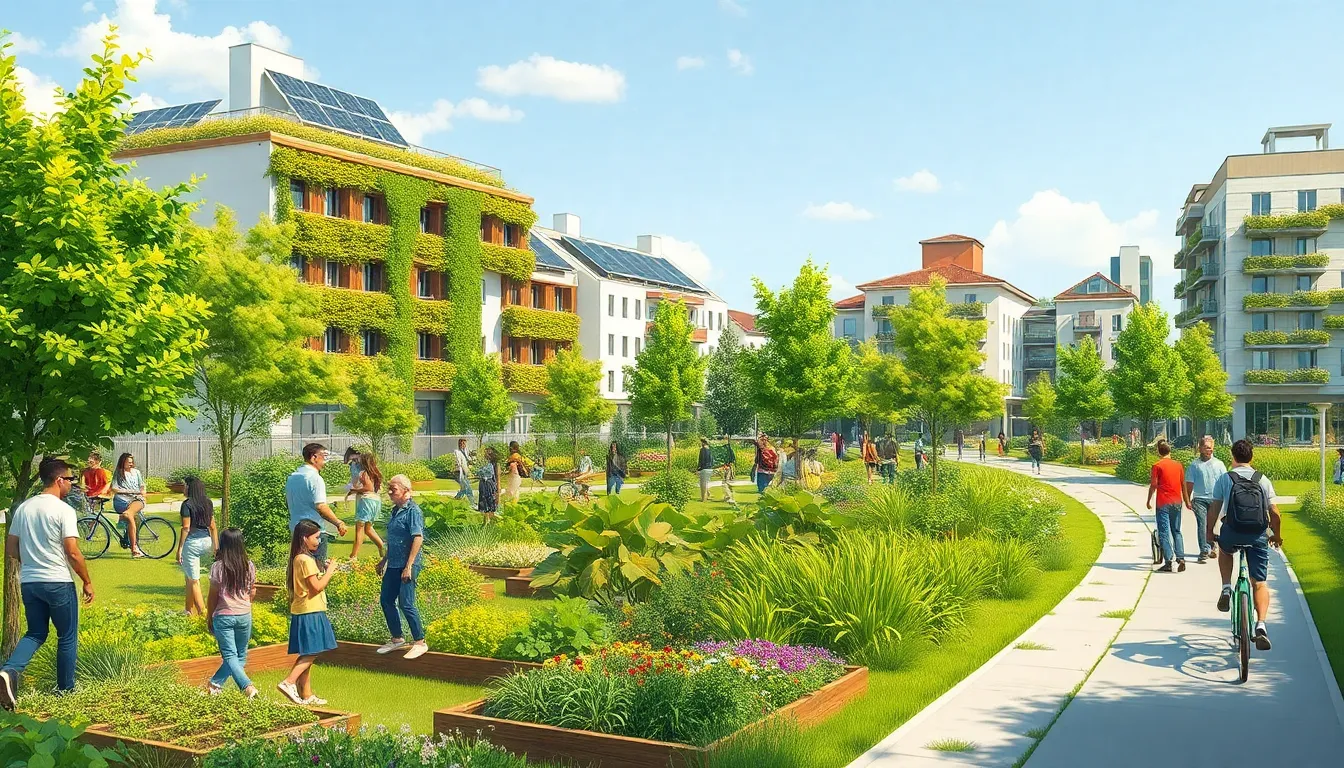
Sustainable cities rely on core principles that govern their development and functionality. These principles integrate environmental, economic, and social strategies aimed at creating balanced urban ecosystems.
Environmental Impact
Environmental impact remains a key principle of sustainability. Clean air and reduced carbon emissions rank high in the priorities of sustainable urban design. Energy-efficient buildings significantly contribute to lower energy consumption, utilizing renewable energy sources. Green infrastructure serves as a vital strategy, promoting urban greenery to enhance biodiversity. Smart water management technologies like rainwater harvesting improve resource conservation, directly impacting the urban environment’s health. Urban agriculture transforms vacant lots into eco-friendly gardens, fostering local food production and reducing transportation emissions.
Economic Viability
Economic viability stands as a cornerstone of sustainable development. Creatively designed public transportation systems improve accessibility, driving down transportation costs for residents. Investing in green jobs stimulates local economies and enhances community resilience. Affordable energy solutions save money while encouraging sustainable consumption patterns. Sustainable cities thrive when they balance investments in infrastructure with long-term benefits, ensuring economic growth aligns with environmental stewardship. Local businesses can capitalize on sustainable practices, attracting consumers that prioritize eco-friendly products and services.
Social Equity
Social equity plays a crucial role in shaping sustainable cities. Inclusive community engagement empowers residents to actively participate in decisions that affect them. Accessible public spaces promote social interaction and well-being. Equity in housing ensures that all individuals have access to safe and affordable living conditions. Prioritizing underrepresented communities in planning processes promotes diversity and equity in urban environments. Education programs in sustainability raise awareness, encouraging collective responsibility for the environment and fostering a sense of shared purpose among residents.
Case Studies of Successful Sustainable Cities
Copenhagen, Denmark leads by example in sustainable urban development. The city boasts an extensive cycling infrastructure, encouraging over 62% of its population to commute by bike. Renewable energy sources dominate its energy mix, with wind power supplying around 47% of total energy consumption. Green spaces and parks improve air quality and enhance residents’ quality of life, making it a model for other cities.
Curitiba, Brazil showcases innovative public transportation solutions. Its Bus Rapid Transit (BRT) system utilizes dedicated bus lanes, reducing travel time and emissions. The city prioritizes green areas, with over 28 square meters of park space per resident, promoting biodiversity and community health. Urban agriculture initiatives transform vacant lots into productive gardens, reinforcing local food systems and community resilience.
Singapore emphasizes vertical gardening and efficient land use in its urban planning. Sky gardens and green roofs contribute to biodiversity while helping mitigate the urban heat island effect. The city-state has invested heavily in smart water management technologies, including rainwater harvesting systems that significantly reduce water waste. Sustainable practices integrate seamlessly into everyday life, demonstrating a commitment to eco-friendly living.
Challenges in Developing Sustainable Cities
Developing sustainable cities presents multiple challenges that urban planners must navigate carefully.
Resource Management
Resource management poses significant hurdles for sustainable cities. Urban areas frequently face issues related to waste disposal and recycling. Implementing efficient waste management systems, including segregation at source, ensures that resources are reused effectively. Furthermore, water scarcity demands innovative solutions like rainwater harvesting to optimize usage. Using renewable energy sources for water treatment fosters sustainability. Allocating land efficiently for green spaces promotes biodiversity while improving air quality. Sustainable cities increasingly rely on technology to monitor and reduce resource consumption, enabling residents to remain conscious of their environmental footprint.
Urban Planning
Urban planning significantly impacts the development of sustainable cities. Planners must incorporate mixed-use developments that promote walkability while reducing reliance on cars. Balancing residential, commercial, and recreational spaces makes neighborhoods more vibrant and functional. Zoning regulations must adapt to allow for green infrastructure such as parks and green roofs. Integrating public transportation options reduces traffic congestion while providing accessible alternatives for residents. It’s essential to design urban spaces that support diverse lifestyles, enhancing social equity and accessibility. Consideration of climate resilience in urban design protects communities against natural disasters while promoting long-term sustainability.
Community Engagement
Community engagement represents a cornerstone of successful sustainable urban initiatives. Involving residents in decision-making processes fosters ownership and accountability for environmental stewardship. Collaborating with local organizations amplifies community voices, ensuring that sustainability efforts align with residents’ needs and preferences. Educational programs raise awareness about sustainable practices that can be adopted at an individual level. Community-driven projects, such as urban gardens or clean-up events, cultivate a sense of harmony while enhancing communal ties. Constructive dialogue between city officials and residents leads to transparent governance, making it easier to implement effective sustainability strategies.
Innovations and Technologies in Sustainable Cities
Innovations in sustainable cities prioritize technologies that improve urban living and minimize environmental impact. These advances showcase how urban areas can thrive while maintaining ecological balance.
Smart Infrastructure
Smart infrastructure enhances urban efficiency and connectivity. Sensors monitor traffic flow, optimizing transportation routes and reducing congestion. Intelligent waste management systems use real-time data to streamline collection and improve recycling rates. Furthermore, smart grids enable better energy distribution, lowering consumption and costs. Cities integrate these technologies to promote sustainable living, ensuring residents enjoy modern conveniences while reducing carbon footprints.
Renewable Energy Solutions
Renewable energy solutions lead the way in powering sustainable cities. Solar panels adorn rooftops, harnessing sunlight for electricity and heating water. Wind turbines generate energy in urban settings while minimizing noise and visual impact. Cities increasingly invest in geothermal systems to provide heating and cooling, utilizing the Earth’s stable temperatures. These renewable sources replace fossil fuels, significantly decreasing greenhouse gas emissions and fostering cleaner air. Sustainable practices rooted in renewable energy contribute to the overall resilience and health of urban environments.
Sustainable cities represent a crucial evolution in urban living. By embracing innovative designs and eco-friendly practices, these cities can enhance the quality of life for residents while protecting the environment. The integration of green infrastructure, efficient transportation, and community engagement lays the groundwork for vibrant urban spaces that prioritize sustainability.
As cities worldwide face increasing challenges, the commitment to sustainable development becomes more vital. Investing in renewable energy and smart technologies can significantly reduce carbon footprints. Ultimately, the future of urban living hinges on collaboration among governments, businesses, and communities to create resilient environments that benefit everyone.