
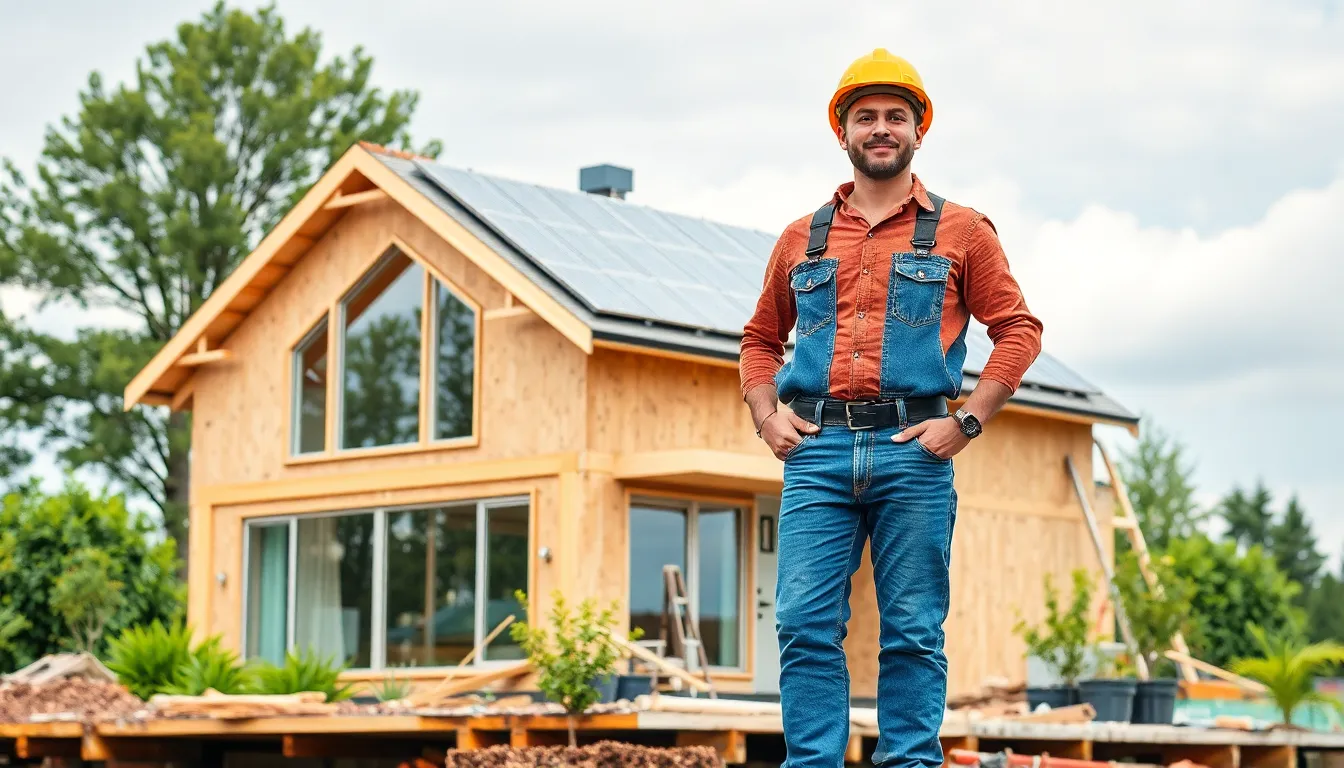
In a world where the planet’s health hangs by a thread, sustainable living builders are the superheroes we didn’t know we needed. Forget capes and spandex; these eco-warriors wield hammers and blueprints, crafting homes that not only keep the environment smiling but also save homeowners some serious cash. Who knew saving the planet could be so stylish?
What Are Sustainable Living Builders?
Sustainable living builders focus on creating homes that prioritize environmental health and efficient resource use. These builders employ green construction practices and utilize eco-friendly materials. By designing homes that minimize energy consumption, they help reduce the carbon footprint associated with traditional construction methods.
Innovative design plays a significant role in their work, often integrating natural light and ventilation to enhance comfort while reducing reliance on artificial heating and cooling. They commonly source materials locally, which supports nearby economies and decreases transportation emissions.
Water conservation is also a key consideration for these builders. They often install rainwater harvesting systems and use drought-resistant landscaping to minimize water waste. With an emphasis on sustainability, the indoor environments of these homes often feature non-toxic paint and finishes, contributing to healthier living spaces.
Many sustainable living builders are certified in various environmental standards, such as LEED or Energy Star, which assures clients of their commitment to sustainability. These certifications not only recognize their expertise but also enhance the marketability of the homes they build.
Incorporating renewable energy solutions, such as solar panels, furthers their commitment to sustainability. These systems not only lower energy bills but also contribute to a cleaner energy grid. Alongside aesthetics, functionality anchors every project, ensuring that sustainable solutions blend seamlessly into modern living.
Through their work, sustainable living builders actively address climate change and advocate for healthier lifestyles. Fostering a deeper connection between individuals and their environment stands at the core of their mission.
Benefits of Sustainable Living Construction

Sustainable living construction offers numerous advantages for homeowners and the environment. Builders committed to eco-friendly practices contribute positively to ecological health.
Environmental Impact
Constructing sustainable homes significantly reduces environmental harm. These homes utilize green materials, effectively lowering the carbon footprint. Energy-efficient designs minimize energy consumption, which directly contributes to reduced greenhouse gas emissions. Incorporating features like natural light and ventilation lessens the reliance on artificial heating and cooling. Rainwater harvesting systems enhance water conservation efforts, supporting local ecosystems. Choosing non-toxic materials ensures healthier indoor air quality, promoting wellness among residents. By adopting renewable energy solutions, such as solar panels, homeowners play an active role in fostering a cleaner energy grid.
Economic Advantages
Sustainable living construction provides various economic benefits. Initial investments might appear higher; however, long-term savings on utility bills offset these costs. Energy-efficient homes reduce monthly expenses, leading to improved financial stability. Homeowners often enjoy tax incentives for utilizing renewable energy systems. Increased property values result from modern, eco-friendly designs in a market that values sustainability. Builders certified in environmental standards, like LEED or Energy Star, enhance marketability. Lower maintenance costs arise from using durable, sustainable materials that withstand wear and tear. Overall, these economic advantages contribute to a sustainable lifestyle that supports financial health.
Key Characteristics of Sustainable Living Builders
Sustainable living builders exemplify a commitment to environmental responsibility through various design and construction practices. These professionals prioritize eco-conscious choices in materials and energy use, ensuring that sustainability remains at the forefront of their work.
Eco-Friendly Materials
Sustainable builders utilize materials that minimize environmental impact. Recycled materials such as reclaimed wood or recycled steel frequently appear in their projects. Local sourcing decreases transportation emissions and supports nearby economies. Non-toxic paints and finishes contribute to healthier living spaces, enhancing indoor air quality. Builders incorporate sustainable materials like bamboo or cork due to their rapid renewability. Advanced insulation products improve energy efficiency, reducing the reliance on heating and cooling systems.
Energy-Efficient Designs
Design plays a pivotal role in sustainable living constructions. Orientation of homes maximizes natural light, reducing dependence on artificial lighting. Large windows and skylights enhance natural ventilation, creating comfortable indoor environments. Builders employ advanced energy modeling techniques to predict consumption and optimize energy use. Solar panels frequently integrate into designs, enabling homeowners to harness renewable energy. These builders also focus on passive heating and cooling strategies, leveraging seasonal changes to maintain comfortable temperatures efficiently. By prioritizing these energy-efficient designs, sustainable builders create homes that are both environmentally friendly and economically beneficial.
Notable Sustainable Living Builders
Various builders stand out in the sustainable living sector, making significant impacts through innovative practices and designs.
Green Builders focus on passive solar design and energy-efficient systems. They prioritize sustainable materials, such as reclaimed wood and recycled steel, reducing environmental footprints.
Eco-Craft Homes specializes in constructing energy-efficient homes compliant with LEED certification. They integrate smart home technology to enhance energy management and optimize comfort.
Living Homes embraces the use of natural materials, ensuring homes breathe well. Incorporation of biophilic design principles connects occupants to nature, creating healthier living environments.
Sustainable Spaces not only constructs homes but also engages in community education about sustainable living. Their approach includes utilizing low-VOC paints and non-toxic finishes.
Urban Living addresses the challenges of city environments by incorporating green roofs and vertical gardens. These features provide insulation and promote biodiversity while enhancing urban aesthetics.
Earthcraft leads the way in energy-efficient construction in the Southeast US. Their commitment to environmental standards aids homeowners in reducing energy costs significantly.
Habitat for Humanity integrates sustainable building practices within their mission to provide affordable housing. They often use eco-friendly materials and prioritize energy-efficient designs, making sustainability accessible to low-income families.
New Energy Homes pushes the boundaries of sustainable building by incorporating renewable energy sources, such as solar panels and geothermal systems, ensuring homes reduce reliance on non-renewable electricity.
Builders worldwide increasingly adopt sustainable practices, demonstrating the viability of merging eco-consciousness with modern living. This shift provides long-term benefits to homeowners and the environment alike.
How to Choose a Sustainable Living Builder
Choosing a sustainable living builder involves careful consideration of various factors. Identifying the right fit ensures a successful project that aligns with eco-friendly objectives.
Assess Their Experience
Experience plays a crucial role in selecting a sustainable living builder. Builders with extensive backgrounds in green construction are more likely to understand the complexities of eco-friendly practices. They navigate certifications like LEED and Energy Star proficiently. Expertise in local building codes influences compliance and design effectively. A builder’s history with similar projects showcases their ability in sustainable materials and energy-efficient designs. Inspecting their past work reveals their capacity to work within budget while adhering to sustainability goals. Engaging with reputable builders often leads to long-lasting, environmentally responsible homes.
Review Their Portfolio
Reviewing a builder’s portfolio provides insight into their aesthetic and functional capabilities. A diverse portfolio demonstrates their proficiency in various sustainable techniques. Builders commonly showcase designs that emphasize energy efficiency, innovative water conservation systems, and the use of eco-friendly materials. Successful projects should reflect key features, such as natural light optimization and improved indoor air quality. Each project highlights the builder’s commitment to sustainable practices. Thoughtfully presented case studies often illustrate problem-solving abilities and creativity in design. Analyzing previous projects solidifies trust between clients and builders, ensuring that expectations align with sustainable living goals.
Sustainable living builders are reshaping the future of home construction by prioritizing eco-friendly practices and innovative designs. Their commitment to reducing environmental impact while enhancing homeowner comfort is paving the way for a more sustainable lifestyle. As they continue to integrate renewable energy solutions and non-toxic materials, these builders not only create healthier living spaces but also contribute to a more sustainable planet.
Choosing the right sustainable builder can lead to significant long-term benefits, both environmentally and financially. By focusing on their expertise and past projects, homeowners can ensure they partner with builders who align with their eco-conscious goals. This collaboration promises to foster a healthier environment while supporting the movement toward sustainable living.