

In a world where sustainability often feels like a buzzword tossed around at eco-friendly brunches, Unilever’s Sustainable Living Plan stands out like a well-placed avocado toast. This ambitious initiative isn’t just about making the planet a better place; it’s about redefining how a global giant can operate responsibly while still keeping the shelves stocked with beloved brands.
Imagine a company that not only wants to sell you soap but also aims to reduce its environmental footprint and improve the lives of millions. Sounds like a superhero origin story, right? Unilever is on a mission to tackle climate change, reduce waste, and promote social equality—all while ensuring you never run out of your favorite shampoo. Dive into the details of how this plan is reshaping the future of consumer goods, one eco-friendly product at a time.
Overview of Unilever Sustainable Living Plan
Unilever’s Sustainable Living Plan aims to drive growth while reducing environmental impact and improving social conditions. This plan is central to Unilever’s strategy, reflecting its commitment to sustainability.
Key Objectives
Key objectives guide Unilever’s Sustainable Living Plan. First, the plan targets halving the environmental footprint of products by 2030. Second, it aims for all plastic packaging to be recyclable, reusable, or compostable by 2025. Third, Unilever promotes improving the health and well-being of over a billion people. Additionally, the plan emphasizes sourcing raw materials sustainably, with a goal of ensuring a positive social impact throughout the supply chain.
Core Principles
Core principles underpin the Sustainable Living Plan. Responsibility drives decisions, ensuring that sustainability is integrated across the business. Transparency remains essential, providing clear communication about progress and challenges. Collaboration with stakeholders fosters innovation and shared solutions to environmental and social issues. Moreover, a focus on long-term success supports the transition to a more sustainable economy, addressing current and future societal needs.
Environmental Impact
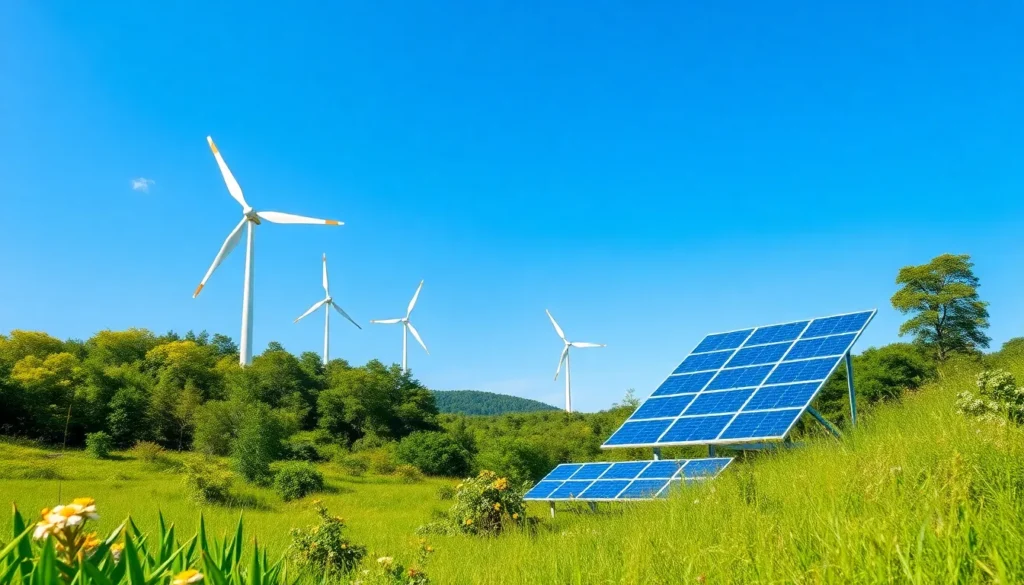
Unilever prioritizes minimizing its environmental impact through targeted initiatives aimed at fostering sustainability.
Climate Action Initiatives
Climate action remains a priority for Unilever, focusing on reducing greenhouse gas emissions from its operations. The plan targets a 50% reduction in emissions from products by 2030. To achieve this, Unilever collaborates with suppliers, customers, and communities, enhancing energy efficiency and increasing the use of renewable energy sources. By 2025, the company aims to have a net positive impact on climate through various initiatives and innovation. Investment in sustainable agricultural practices further contributes to global climate goals.
Water Conservation Efforts
Water conservation efforts are a vital component of Unilever’s strategy. The company recognizes the importance of preserving freshwater resources and aims to halve its water footprint by 2030. Sustainable sourcing practices play a crucial role in this initiative, ensuring responsible water use across the supply chain. Moreover, Unilever works with communities to improve water access and hygiene, enhancing overall livelihoods. The company also invests in technologies that promote water-efficient manufacturing processes, ensuring minimal water wastage in production.
Social Responsibility
Unilever’s Sustainable Living Plan emphasizes social responsibility as a core component of its mission. The company focuses on enhancing the well-being of communities globally while driving its business objectives.
Community Development Programs
Unilever invests in various community development programs that target economic growth and empowerment. These initiatives focus on improving livelihoods by supporting smallholder farmers and promoting local entrepreneurship. Programs include training for farmers on sustainable agriculture practices, which increases yield and income. Heavily involved in these efforts, Unilever partners with organizations to enhance skills and improve access to resources. Additionally, projects like “Unilever Hub” provide training and market access for 100,000 small-scale retailers, fostering community resilience.
Health and Wellbeing Goals
Unilever aims to improve health and well-being for over a billion people by 2030. Promoting hygiene, nutrition, and mental well-being underpins these goals. Health-focused brands like Lifebuoy and Dove target better hygiene practices in communities, especially for children. The company also addresses malnutrition through offerings that enhance dietary diversity. Priority is given to educating consumers about healthy lifestyle choices, creating partnerships for community health initiatives. Together, these approaches aim to inspire positive changes that enhance quality of life globally.
Economic Sustainability
Unilever’s Sustainable Living Plan emphasizes economic sustainability as a key component in creating a responsible business model. This approach intertwines profitability with social and environmental agendas, fostering positive impacts across communities and ecosystems.
Sustainable Supply Chain Practices
Sustainable sourcing defines Unilever’s supply chain practices, minimizing negative impacts on the environment. The company supports smallholder farmers, aiming to improve their livelihoods while promoting environmentally friendly agricultural techniques. Greater transparency in sourcing helps ensure ethical practices throughout the supply chain. Collaborations with suppliers enhance sustainability, driving innovations that reduce waste and promote resource efficiency.
Innovation in Product Development
Innovation plays a significant role in Unilever’s product development strategy. The focus centers on creating eco-friendly products that meet consumer demands while aligning with sustainability goals. Research and development efforts strive to enhance product performance, all while reducing environmental footprint. Incorporating sustainable ingredients and packaging reflects Unilever’s commitment to responsible business practices. This prioritization not only boosts brand loyalty but also addresses crucial environmental challenges.
Future Goals and Vision
Unilever’s Sustainable Living Plan outlines ambitious future goals focused on enhancing sustainability and social responsibility. The plan seeks to drive progressive change across various sectors while improving the quality of life for millions globally.
Long-term Objectives
Unilever targets significant long-term environmental objectives. The company aims to halve its product’s environmental footprint by 2030. Ensuring all plastic packaging is recyclable, reusable, or compostable by 2025 forms another key goal. Achieving a net positive impact on climate by 2025 is crucial for fostering sustainability within the supply chain. Additionally, improving health and well-being for over a billion people by 2030 remains at the forefront of its objectives, emphasizing the importance of hygiene, nutrition, and mental well-being.
Measuring Success
Success metrics are central to Unilever’s evaluation framework. The company tracks progress through a set of clearly defined indicators. Regular assessments of environmental impact inform strategies aimed at reducing greenhouse gas emissions. Unilever also measures health outcomes linked to its initiatives targeting over a billion individuals. Partnerships with stakeholders help facilitate innovation and accountability, ensuring transparency about progress and challenges while promoting collaboration. Ultimately, these metrics foster a deeper connection between business objectives and sustainable practices.
Unilever’s Sustainable Living Plan represents a bold commitment to a more sustainable future. By intertwining business growth with social responsibility and environmental stewardship, Unilever sets a benchmark for other corporations. Its ambitious goals reflect a serious dedication to reducing its ecological footprint while enhancing community well-being.
Through innovative practices and transparent communication, Unilever is not just addressing current challenges but also paving the way for future generations. The focus on sustainable sourcing and community empowerment highlights the company’s holistic approach to business. As Unilever continues to measure its impact and adapt its strategies, it remains a leader in promoting a sustainable economy that benefits both people and the planet.